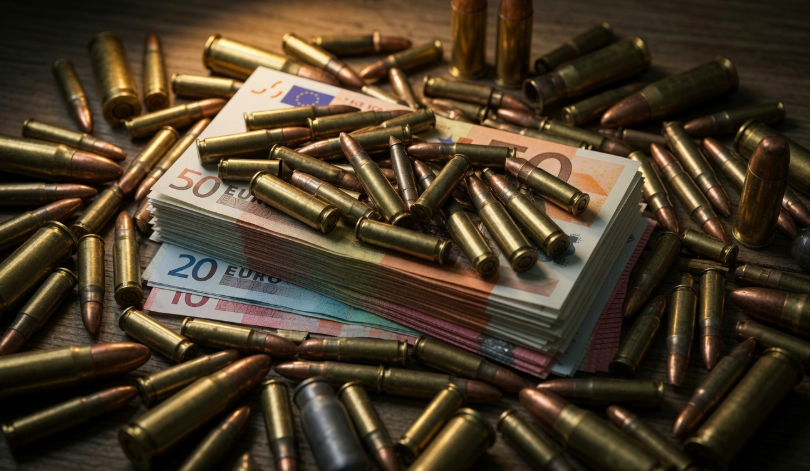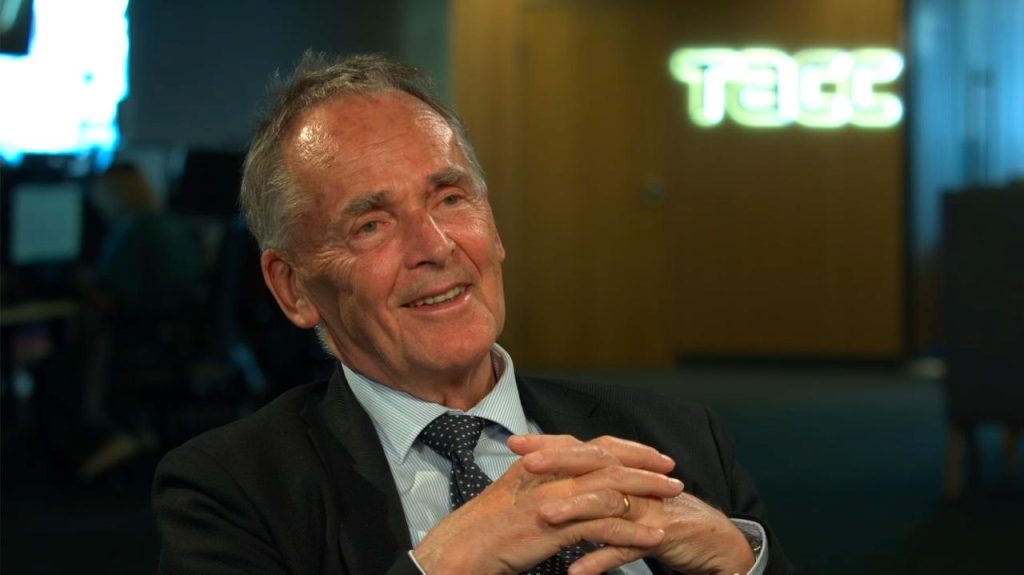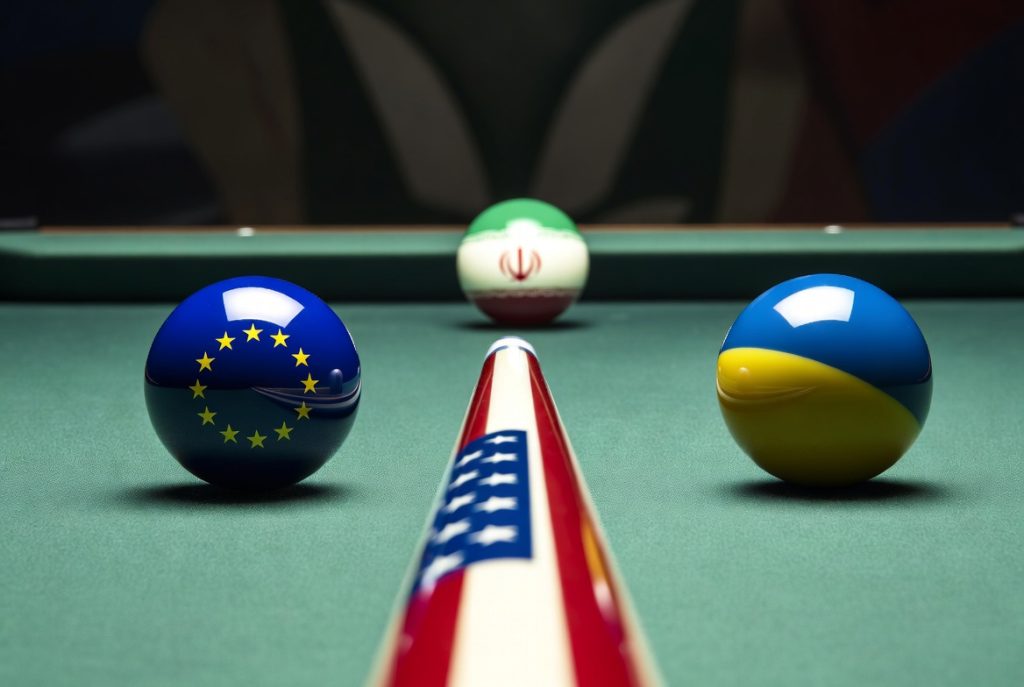
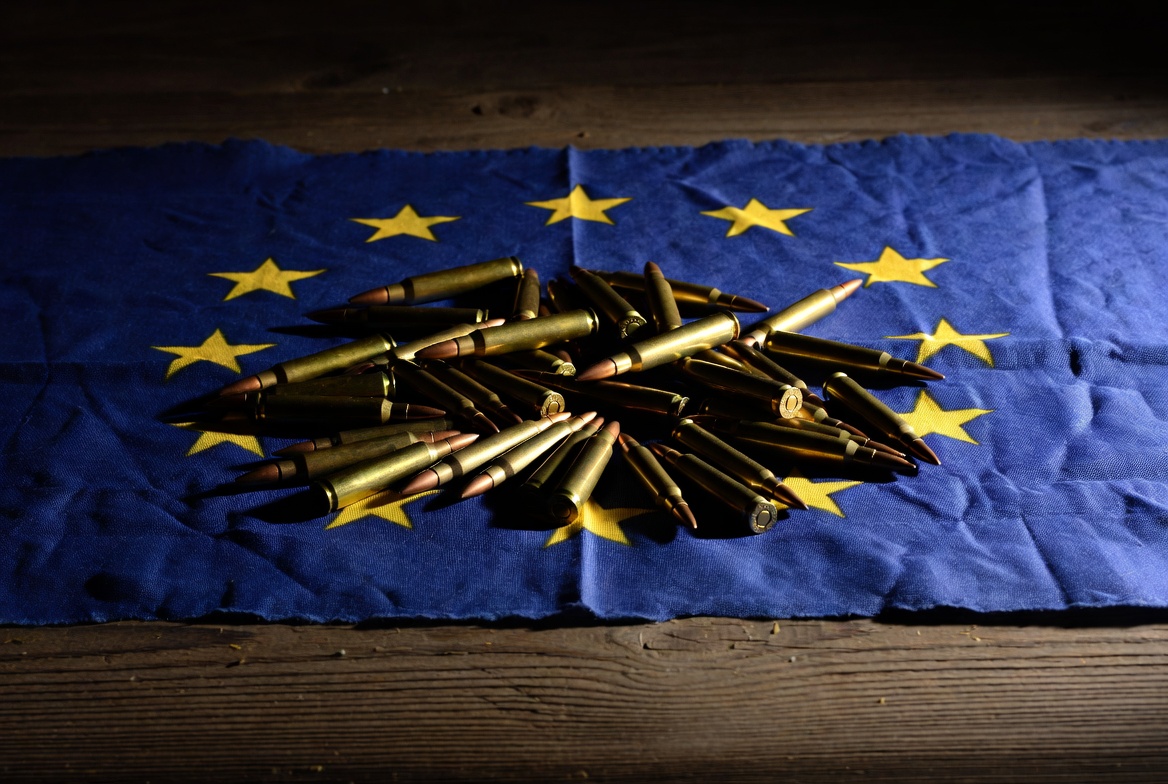

At a session of the NATO Parliamentary Assembly in Vilnius, European Commissioner for Defence Andrius Kubilius accused European governments of strategic inefficiency. Despite a sharp increase in military budgets, actual arms production in Europe is growing extremely slowly.
“European parliaments must ask their governments: why is European military production not growing, while investments in this sector continue to rise? Russia produces more weapons than the entire European Union — and significantly more,” Kubilius stated.
The Ukrainian “Phenomenon” as a Rebuke to Europe
According to the Commissioner, Ukraine’s defence industry has grown 50-fold since 2022 and now reaches an annual production volume of €50 billion — comparable to Germany’s entire military output. A country that had almost no domestic defence production just four years ago is now demonstrating growth rates that Europe can only dream of.
This comparison is particularly bitter given that the combined GDP of EU countries is nearly 15 times larger than Ukraine’s.
The situation eerily resembles Europe in the 1930s, when many countries also spent significant sums on defence but did so inefficiently — purchasing expensive and complex weapons in small quantities. When a major war broke out, they were unprepared for a prolonged high-intensity conflict.
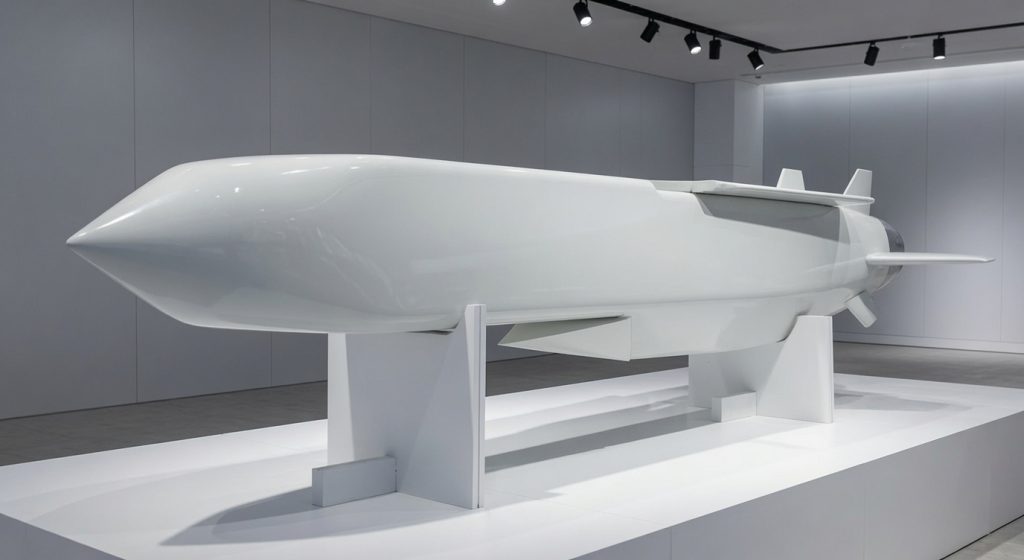
Today, Europe is repeating the same mistake, only under new conditions. It invests in “golden” weapons systems — highly technological, extremely expensive, and produced in limited quantities. Russia, like the Soviet Union before it, has focused on mass production, relatively low costs, and high manufacturing speed.
Europe’s Structural Problem
Kubilius has diagnosed a deep systemic crisis in the European defence industry: excessive bureaucracy, complicated procurement procedures, a preference for “haute couture defence” over mass production, dependence on global supply chains, and a reluctance to make compromises for the sake of speed and volume. There is also a clear lack of genuine industrial mobilization.
As a result, Europe has the money and the technology, but it does not have enough shells, missiles, and drones to sustain a prolonged high-intensity conflict.
The Commissioner formulated the challenge clearly: “If we truly want to deter Russia, we must outproduce it.”
This means Europe must radically change its approach — moving away from the logic of “smart investments” toward a wartime logic: maximum volume, minimum cost, and maximum production speed.
For now, Europe remains in a dangerous position of strategic lag, entering an era in which the time for comfortable solutions is coming to an end.